gannaca · Signature format · Curated circle

You don't have an information problem. You have a room problem.

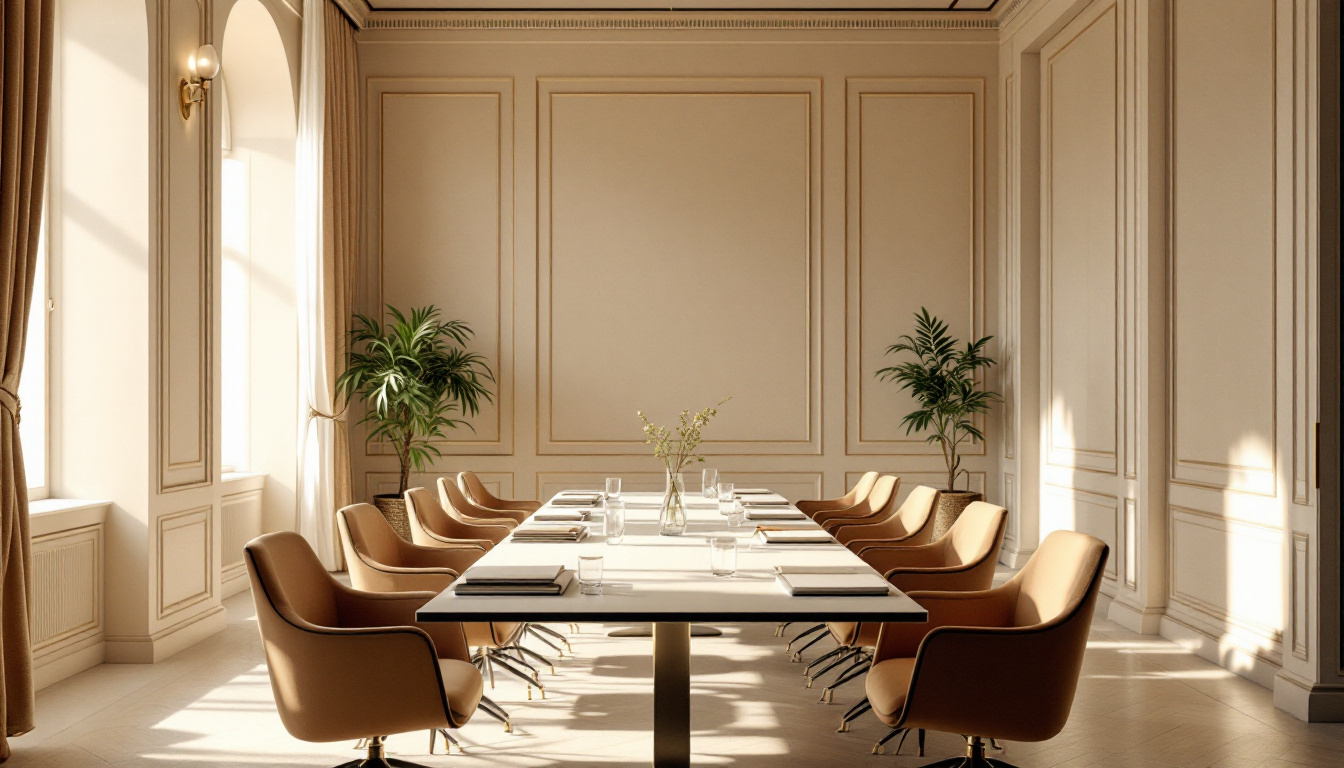
A Decision Salon gathers eight to fourteen senior decision-makers from different organisations for one day at one table. Chatham House Rule. One question about the future. Hosted by a futurist who holds the room — not performs in it.

When a Decision Salon matters.

  1. You exchange notes with peers — but on stages where no one says what they really think.

  2. The signals that matter for your industry now emerge between industries. You're at the wrong table.

  3. You don't want a conference with 400 business cards. You want twelve people who count — and a day with no minutes taken.

  4. What is said in the room may be used. Who said it stays in the room.

One table. Twelve who count. One question.

A Decision Salon is commissioned — not an open event with a fixed calendar. You set the occasion and the question; we curate the circle, moderate under Chatham House Rule, bring the foresight input and arrange the venue and the day. Two routes, depending on who should be at the table. All prices net, plus VAT.

Open Salon · you invite · on request

Open Decision Salon.

You commission a curated one-day salon and invite eight to fourteen peers from other organisations — people you respect but rarely get to speak with undisturbed. We help assemble the circle, moderate under Chatham House Rule, bring the foresight input and arrange the venue and dinner. You carry the organisation — and can pass the cost per seat on to your guests.

DurationFull day + dinner
Cost basisfrom €3,800 / seat
Circle8–14 seats
Request an Open Salon Intro call · 30 min · free
Closed Salon · your organisation only · on request

Closed Decision Salon.

The same day, but among yourselves: your board, advisory board or leadership team — no external guests. For the question even friendly competitors shouldn't hear. Your topic, your circle, our curation and moderation.

FormatIn-house / private
Termsby scope
Request a Closed Salon Intro call · 30 min · free

Why the right room is smarter than the smartest mind.

Four findings from research and practice — each with a real example from mid-market business, so it's clear what it actually delivers.

The right circle thinks better than its smartest mind.

Whether a group finds good solutions depends surprisingly little on individual IQ — and a great deal on whether everyone gets to speak and truly listens. Anita Woolley and her team measured it.

From practice: A family-business owner has been wrestling with succession alone for months. At a well-moderated table with five peers who've been through it, the answer he'd never have reached on his own is on the table within two hours.

Woolley, Chabris, Pentland, Hashmi & Malone, Science 330 (2010)

Different angles crack stuck problems faster.

People who approach things differently solve new problems faster than a like-minded, well-drilled team. The difference is in how they think, not in their CVs.

From practice: The machine-builder who's complained about the same price pressure for months hears at the table how a hospital director and a logistics chief solved their margin problem — and leaves with a route his own industry would never have found.

Reynolds & Lewis, Harvard Business Review (2017)

First confidentiality, then honest answers.

People only say what they really think when they feel safe. Amy Edmondson showed this is what separates great teams from mediocre ones; at Google it was the single most important factor.

From practice: At the industry meet-up the CEO stays vague because three competitors are listening. Under Chatham House Rule he speaks openly about the failed ERP project — and saves two people at the table from the same million-euro mistake.

Edmondson, Administrative Science Quarterly (1999); Google "Project Aristotle" (2015)

Those who consult peers regularly do better.

Companies whose leaders sit in standing peer groups grow measurably more than comparable ones without. In a Dun & Bradstreet analysis, members grew while others shrank in the same year.

From practice: After one salon, a mid-market owner postpones her rushed US market entry by a year — and avoids the costly false start two people at the table had already lived through.

Dun & Bradstreet analysis for Vistage (2020)
Christopher Peterka, futurist and founder of gannaca

Christopher Peterka.

Futurist, entrepreneur, investor. At the intersections of technology, ethics and entrepreneurship since 2000. Founder of the think tank gannaca.

At a Decision Salon he hosts the day: curates the circle, moderates under Chatham House Rule and brings the foresight input — so that twelve sharp minds leave with more than each brought in. 25 years, 640+ projects, 55 countries.

Founder: gannaca · KP42 · Mensch Zukunft Foundation · Systems Change Foundation

Frequently asked.

Can I just book a seat?

No. Decision Salons are curated and commissioned, not an open event with a fixed calendar. You set the occasion, we build the circle — so only people who fit are at the table.

What's the difference between an Open and a Closed Salon?

At an Open Salon you invite peers from other organisations and can pass the cost per seat on to your guests. At a Closed Salon it stays among your own people — board, advisory board or leadership team.

What does the Chatham House Rule mean?

What is said in the room may be used afterwards — but who said it stays unnamed. That's what makes real candour possible, even among competitors.

Who moderates?

Christopher Peterka. He curates the circle, leads the day and brings the foresight input — as host, not as a speaker.

What does it cost?

Open Salon from €3,800 net per seat as a cost basis you can pass on to guests. Closed Salon by scope. Both on request, with a free intro call.

Who should be at the table?

Open or Closed Salon — write directly: peterka@gannaca.com